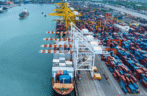


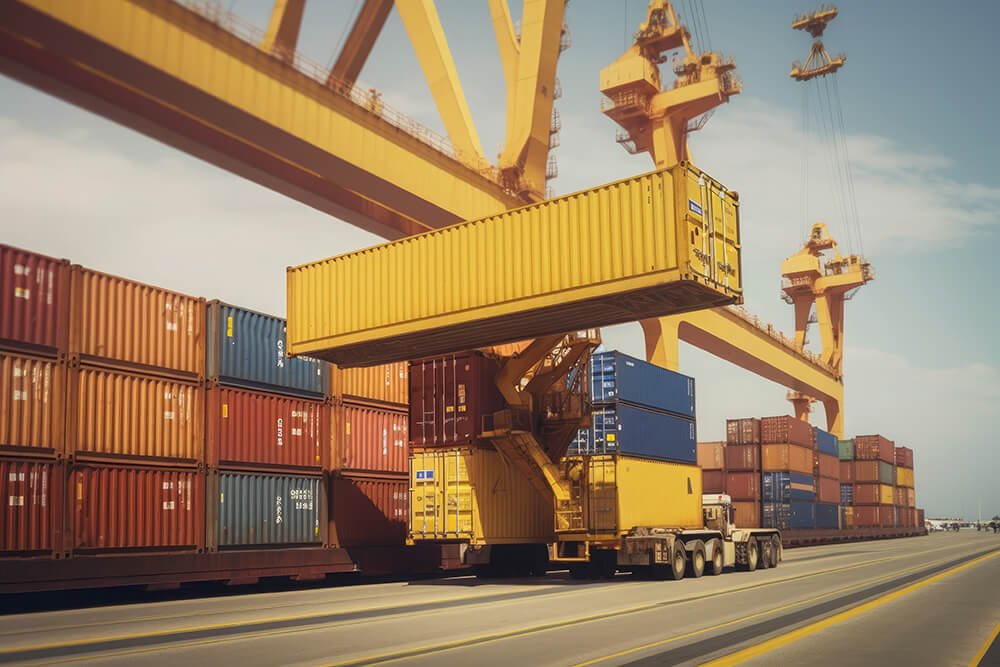
For businesses importing goods into Kenya and the wider East African region, Mombasa Port remains the primary gateway for international trade. While the port offers access to global markets, many importers still face delays, unexpected charges, and operational frustrations due to poor customs preparation and clearance management.
Understanding how the clearance process works is essential for avoiding demurrage, reducing storage costs, and ensuring faster cargo movement.
Understanding the Mombasa Port Clearance Process
When cargo arrives at Mombasa Port, several procedures must be completed before goods can be released. These include documentation verification, customs declaration, tax assessment, cargo inspection where applicable, and final release approvals.
The clearance process generally involves:
- Submission of shipping documents
- Kenya Revenue Authority (KRA) customs declarations
- Cargo verification and inspections
- Duty and tax processing
- Port and shipping line coordination
- Cargo release and transportation planning
- Any missing or inaccurate information can cause costly delays.
Key Documents Required for Clearance
Importers must ensure all documents are accurate and submitted on time. Commonly required documents include:
- Commercial Invoice
- Bill of Lading
- Packing List
- Certificate of Origin
- Import Declaration Form (IDF)
- KEBS documentation where applicable
- Tax and permit documentation
Errors in cargo descriptions, quantities, or values often lead to customs queries and delays.
Common Challenges Faced by Importers
Many businesses encounter difficulties during the clearance process due to poor coordination or lack of preparation.
Some of the most common issues include:
Demurrage Charges
Demurrage occurs when containers stay at the port beyond the free storage period allowed by shipping lines. These charges can accumulate rapidly and significantly increase import costs.
Delayed Customs Approvals
Incomplete documentation or incorrect declarations can slow down customs processing and cargo release.
Port Congestion
High cargo volumes at Mombasa Port sometimes affect turnaround times and container movement.
Inspection Delays
Some shipments may be selected for verification or physical inspection by customs and regulatory authorities.
How Proper Planning Helps Importers Save Money
Successful importers prepare their documentation before cargo arrival and work with experienced logistics partners who understand Kenyan customs regulations.
Proper planning helps businesses:
- Reduce port storage costs
- Avoid unnecessary penalties
- Minimize cargo delays
- Improve supply chain reliability
- Maintain predictable delivery schedules
Pre-arrival customs preparation is especially important for reducing clearance time.
The Importance of Real-Time Cargo Tracking
Modern logistics operations require visibility throughout the shipping process. Importers benefit greatly from shipment tracking systems that provide updates on:
- Vessel schedules
- Cargo arrival timelines
- Clearance progress
- Container release status
- Delivery coordination
Real-time updates improve operational planning and customer communication.
Choosing the Right Clearance Partner
A reliable clearing and forwarding partner plays a major role in the success of any import operation. Experienced agents understand port procedures, customs regulations, and how to proactively manage potential delays.
When choosing a logistics partner, importers should consider:
- Industry experience
- Customs compliance knowledge
- Cargo tracking capability
- Communication efficiency
- Regional delivery support
Final Thoughts
Mombasa Port clearance does not have to be stressful or expensive. With proper documentation, early preparation, and professional logistics support, importers can move cargo efficiently while avoiding unnecessary delays and costs.
As East African trade continues to grow, businesses that streamline their import processes will gain a stronger competitive advantage in the market.